
Design Thinking in Healthcare: From Patient Insights to a 24/7 Play Solution
Sometimes, the best solution is not the most obvious one.
The idea for our 24/7 toy and activity kit vending machine began with insights from real patients and parents.
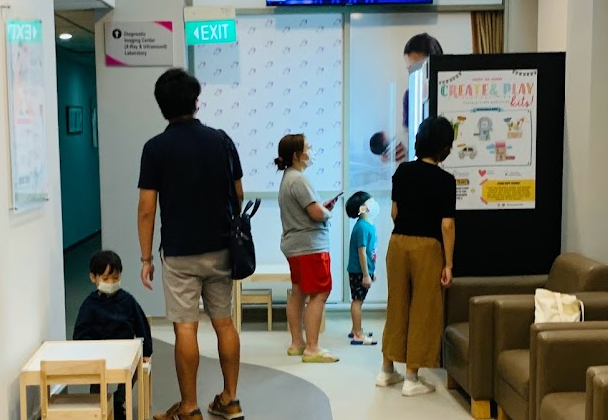
Children often face long waiting times in healthcare settings. Warded children may also spend hours or days with limited access to meaningful play and activities. Without easy alternatives, parents may resort to prolonged screen time to keep their children occupied or distracted.
Parents were waiting too. They could be tired, restless and looking for something meaningful to do together with their child. So we did not want to design activities only for children. We made sure many of the activity kits could be enjoyed by both parents and children, turning waiting time into an opportunity for connection.
But the challenge was more complex than simply providing toys.
There were real constraints:
no shops near the hospital, with the nearest option around a 20-minute walk away
limited space for play areas
limited storage for toys and activity materials
infection-control concerns around shared toys
limited manpower to distribute, collect and manage activities
a need for access beyond normal operating hours
So we reframed the question.
Instead of asking:
“How might we provide more toys?”
we asked:
How might we give waiting and warded children, together with their parents, easy access to safe and meaningful play experiences at any time, without adding significant space, storage or manpower demands?
That reframing led to a simple self-service solution: a 24/7 vending machine stocked with individually packed toys and activity kits.
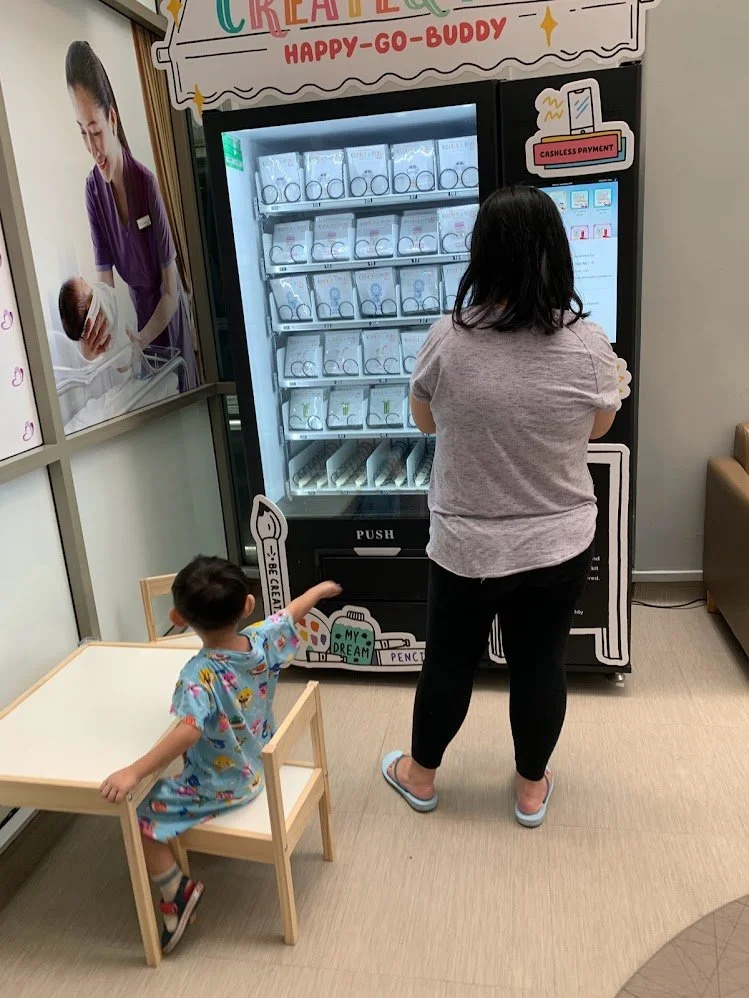
Parents could access something when they needed it. Children could have their own activity rather than relying mainly on screens or sharing toys. The toys and activity kits were selected to cater to different age groups, interests and ways of engaging, while some kits encouraged parent-child participation and shared play. Some kits encouraged parent-child participation, creating moments of play and connection during an otherwise stressful or uneventful wait.
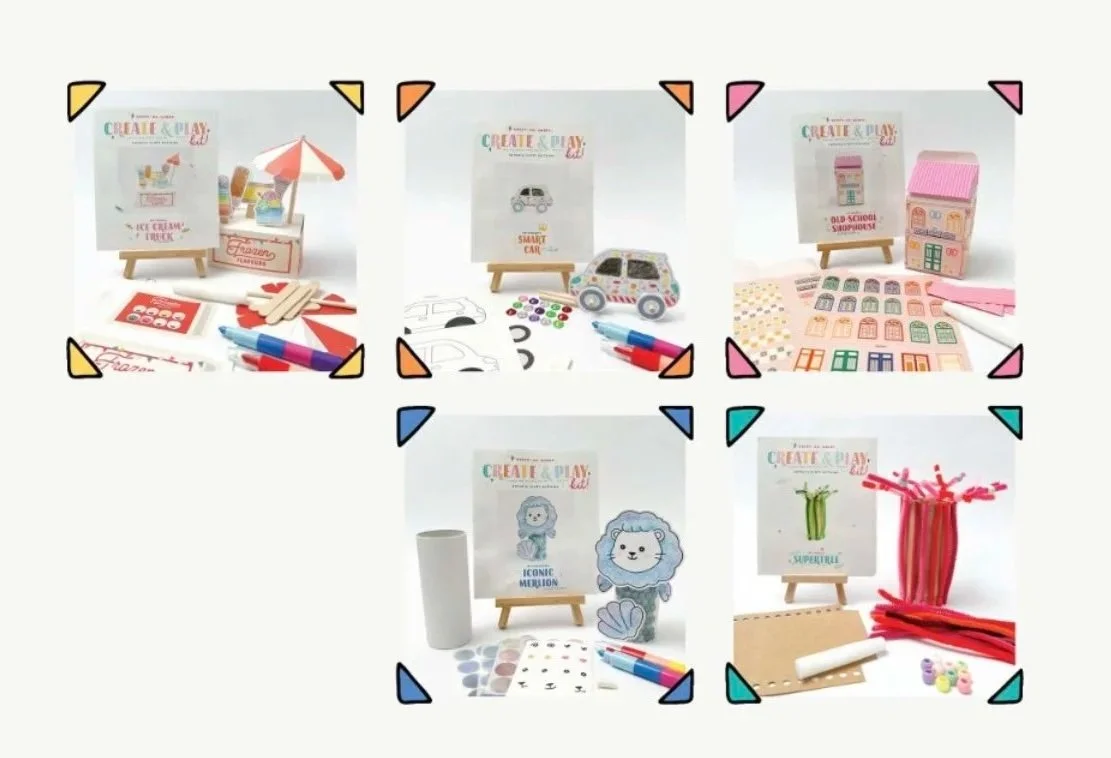
Staff did not need to manage distribution, and the solution required only a small physical footprint.
Most importantly, the vending machine was not the starting idea.
It emerged from listening to patients and parents, understanding operational realities, and designing around the constraints of the healthcare environment.
The process was:
User Insight → Constraints → Problem Reframing → Solution → Testing → Refinement
That is what Design Thinking looks like in practice.
Not starting with the solution.
Starting with people.
Research first. Ideate second. Design for real people.
Facing a Similar Challenge?
Every space has different users, constraints and operational needs.
Little Changemakers can adapt our 24/7 play vending concept or design a solution around your environment, whether you are supporting children and families in healthcare, community or family-focused spaces.
